
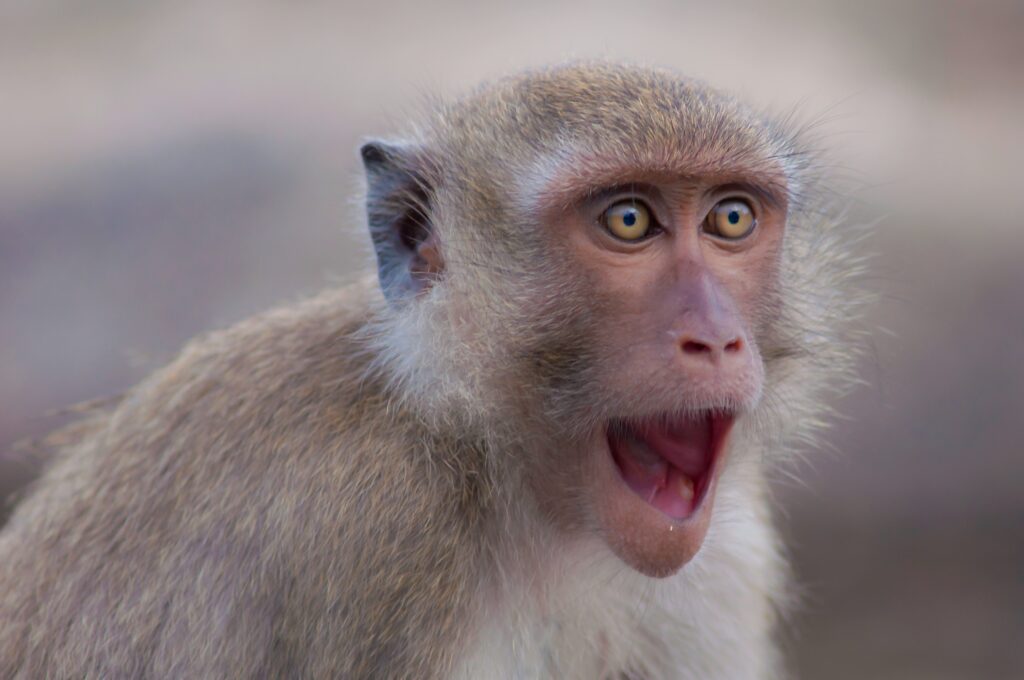
As a child growing up in Bombay, I spent hours looking up at the sky from my window. I had a breathtaking view of the sun setting over the Arabian Sea, the kind that makes you pause mid-thought without quite knowing why. When I woke up early to study for exams, I would glance outside and take in the sky, the sea, and the slow-moving ships on the horizon, wondering who was out there and where they were headed. Some afternoons, I curled up on the swing near the window, lost in the world of Nancy Drew, feeling the breeze on my skin and sunlight warming my face. That view became an anchor. Whenever I was troubled, I returned to it instinctively. Its vastness, mystery, and quiet beauty offered a kind of silence I welcomed. It absorbed my pain and handed me hope in return. Back then, I didn’t have language for what I was doing. I didn’t know that I was making time to experience awe. This week’s blog is about those moments. The ones that leave us full in a way that’s hard to describe, stirring gratitude, humility, and wonder all at once. It’s a reminder, to myself as much as anyone, that awe exists everywhere, and that making space for it steadies us in ways that quietly support healing and deep love for life.
I’ve followed UC Berkeley’s Greater Good Science Center for years, listening to their podcast and reading their newsletter dedicatedly. This blog is inspired by the book written by the podcast’s host, psychologist Dacher Keltner, titled Awe: The New Science of Wonder and How It Can Transform Your Life. Reading it gave me language for something I’ve known intuitively for a long time and expanded it in unexpected ways.
Keltner describes awe as the experience of encountering something that feels larger than you. It’s that moment when you sense your place within something vast, be it nature, humanity, time, love, loss, and feel connected to a greater whole. What struck me most is that awe isn’t reserved for sunsets, mountaintops, or once-in-a-lifetime moments. Pain, grief, and difficult emotions can also open the door to awe. It’s not because they’re pleasant, but because they strip us bare and reveal what matters.
A couple of weeks ago, I was visiting my parents. They have stray dogs who’ve lived in their community for years, and I love them dearly. I look forward to seeing them, feeding them, and showering them with affection. Over time, they’ve also folded Coco into their pack with an enthusiasm that borders on comic relief. It’s not unusual to see me walking Coco with one or two of those dogs trailing along as if it’s a perfectly normal neighborhood outing.
That evening, my favorites, Maxi, Cherry, and Daisy (Cherry’s daughter), joined us. As we walked, the temple bells rang. There’s a small temple in the community, and every evening an aarti takes place, complete with diyas, bells, and chants. An aarti is a spiritual Hindu offering that’s made to deities as a mark of reverence and devotion. A few seconds before the aarti began, all four dogs stopped. Completely. They sat on their hind legs, turned toward the temple, and stayed there in utter stillness until the aarti ended.
I stopped in my tracks to observe the pups. The moment called for it. The air around us felt different: quiet, reverent, almost thick with presence. I stood there, leash in hand, feeling oddly honored to be part of their pack at that moment. When the bells stopped, we all moved forward as if nothing unusual had happened. Except everything had. I was awestruck.
Another moment arrived on a very ordinary nightly walk. I was listening to a podcast called Risk, a recent discovery that satisfies my lifelong love for human stories. In one episode, a woman shared her experience of donating one of her kidneys, not to someone she knew, not because she was asked, but simply because she could. She joined a donor registry, was matched with a recipient, and unknowingly triggered a chain of donations that helped multiple people. All because she chose to act from sheer goodness.
As I listened, I felt it in my body before my mind caught up. Goosebumps ran down my arms. My throat tightened. I got teary eyed and felt the hair on the nape of my neck rise. This woman had no agenda, no need for recognition, no dramatic backstory. And yet, in that moment, I was reminded, again, that even when it feels like the world is unraveling, kindness is very much alive.
I experience awe often. It’s not because my life is particularly extraordinary, but because these moments make me feel human and present. In awe, I feel closest to myself and, paradoxically, more connected to everything around me. The differences soften; the unknown feels less threatening; and I sense a quiet belonging to nature, to other beings, to something purposeful and shared.
I’ve felt it working at my computer with Om chanting softly in the background and spotting a hummingbird at the feeder, wings moving so fast they blur. I feel it when my clients finally break through what’s been holding them back and glimpse their own potential where their eyes change before their words do. I hear it in a child’s laughter, or in the parrots that show up unfailingly outside my neighbor’s window every morning relishing the feed she puts out for them.
Awe isn’t limited to joy. It’s deeply present in moments that leave us undone. I find it when I dream of my best friend whom I lost years ago and wake up with that familiar ache and gratitude coexisting. I felt it the first time I heard Nusrat Fateh Ali Khan’s live version of “Allah Hoo” on vinyl, and later with Adele’s “Someone Like You.” Two entirely experiences that somehow met me in the same tender place. I found it in Rumi’s words, enough to tattoo a line of his poetry onto my right arm. I felt it watching Schindler’s List in high school, staying up far too late, unable to turn away, and sobbing into the quiet of the night. I felt it when India won the men’s cricket World Cup in 2011, packed into a friend’s living room, collective joy spilling everywhere.
The list could go on, and I’m grateful that it does. Awe isn’t just about gratitude. It’s about recognizing a feeling that humbles us, expands us, and reminds us that life is much larger than our personal narratives.
What I appreciate most about awe is how accessible it is. It doesn’t require expensive retreats, perfectly curated experiences, or dramatic life changes, although those have their place. Awe is ordinary and extraordinary at the same time. It shows up quietly. You don’t chase it; you notice it.
When you begin to recognize awe, something subtle shifts. You remember that you’re not alone. You’re part of something vast and interconnected. This matters to remind us that we aren’t meant to exist in isolation or competition with everything around us. We are meant to live in relationships with nature, with animals, and with each other. We are meant to be a tribe thriving in all our differences and similarities to finding each other and ourselves over and over again.
If this blog does anything, I hope it lingers, not as instruction, but as an invitation to find these moments of awe around you. The ones that make you pause, breathe differently, or feel unexpectedly moved. They count. They always have.
As always, I am here to support you all the way. I hope you keep in touch with your stories, thoughts, and feedback. If you wish to learn more, please stop by www.imperfectbodies.com. Lastly, if you enjoyed this information, then please share it with others.
**NEW**My 5-minute guide for when you’re feeling overwhelmed, stuck, or lost. Reset your energy and reconnect with yourself. Bonus audio guide included. Available here: Energy Guide
All the best,
Chaitni